
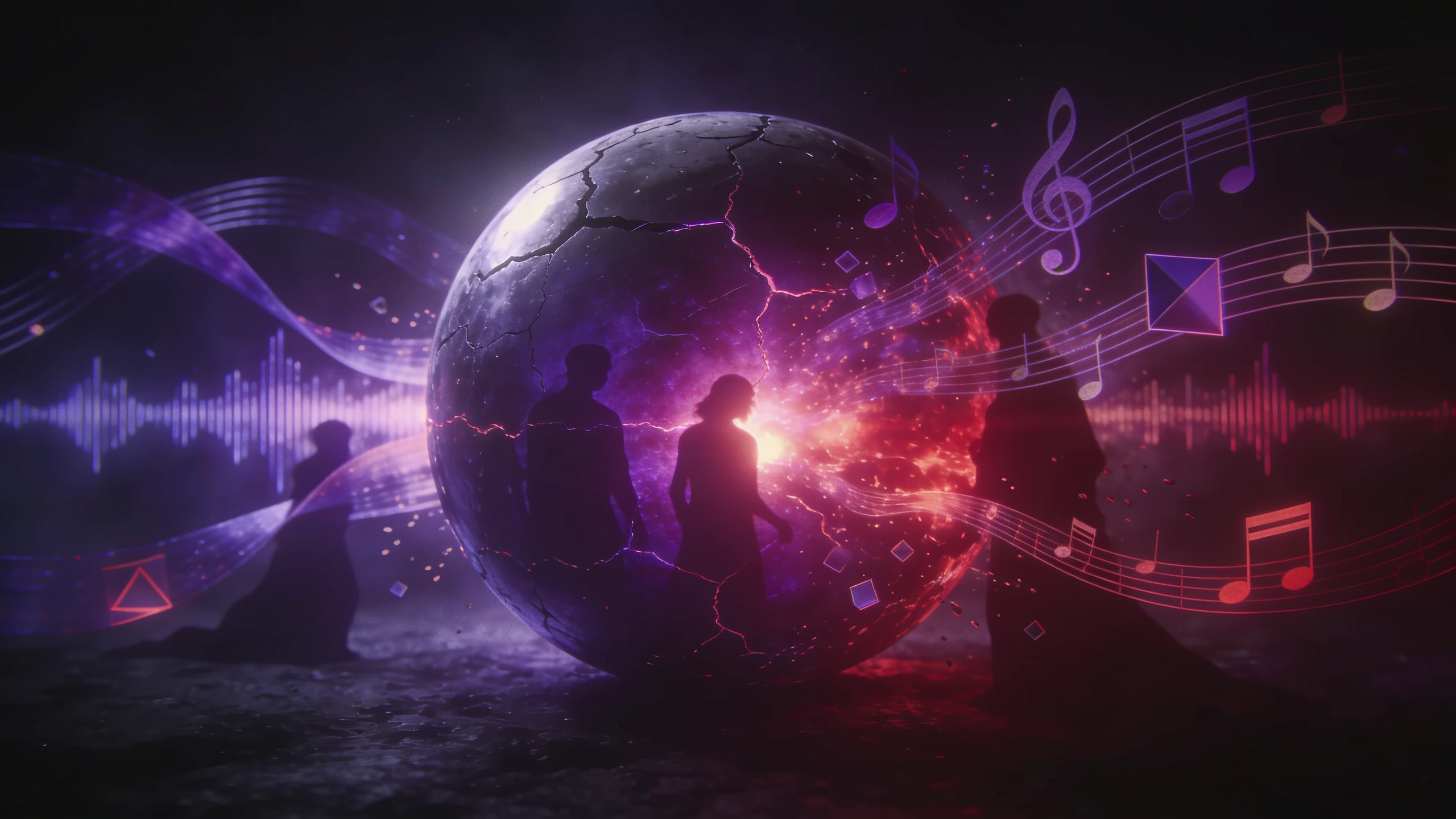
What’s New in Sprunki Sinner Edition: Top Features and Updates
 0
0
 0
0
Sprunki Sinner Edition has been turning heads in the fan-made music game community, and the latest wave of updates gives longtime players real reasons to return to the mix board. If you spent time with the original Sprunki mods and found the Sinner Edition intriguing but rough around the edges, the current version is a different animal. The improvements touch sound design, visual presentation, character mechanics, and the overall feel of the experience. Here is a clear-eyed breakdown of what changed and why it matters.
A Darker Sound Palette Gets Sharper
The defining quality of Sinner Edition has always been its corrupted, unsettling audio atmosphere, and the latest updates push that identity further without losing coherence. Earlier builds had moments where the darker instrument layers clashed in ways that felt accidental rather than intentional. That problem is largely resolved.
The audio mixing now handles layered loops with far better balance. Each character’s sound contribution sits in a defined frequency range, so stacking four or five characters at once produces a dense, dramatic wall of sound rather than muddy noise. Bass-heavy corruption effects occupy the low end, glitchy percussion holds the mid-range, and the eerie melodic lines cut cleanly through the top.
New Character Sounds
Several characters received complete sound overhauls. The updated vocal samples lean harder into distorted, choir-like textures, which fits the Sinner aesthetic better than the earlier cleaner samples did. Rhythm-focused characters now have tighter loop timing, so their contributions snap to the beat with precision that earlier versions missed by a noticeable margin.
Visual Overhaul: Animations and Idle States

The visual side of Sinner Edition got significant attention. The character animations are smoother across the board, with updated frame counts on the idle states so characters feel alive even when you are simply listening to a loop you already built.
The corrupted visual filter applied to active characters is more nuanced now. Before, activation triggered a flat dark overlay. The current version layers distortion effects that respond to the intensity of a character’s sound contribution, so louder or more complex sounds produce heavier visual corruption. It is a small detail that makes the performance feel reactive rather than static.
Background and Stage Updates
The stage itself received new background layers. The environment shifts tone depending on how many characters are active simultaneously, moving from a dim, quiet atmosphere toward a more chaotic, glitch-heavy visual state as the soundscape fills up. Players who enjoy building toward a climactic full-cast arrangement will find this payoff much more satisfying visually.
New Characters Added to the Roster

The roster expansion is one of the most talked-about updates. Four new characters joined the Sinner Edition lineup, each with a distinct sound profile and visual design that fits the corrupted theme.
| Character | Sound Type | Visual Theme |
|---|---|---|
| Wraith | Distorted string loops | Translucent, flickering outline |
| Cinder | Percussive noise bursts | Ashen, ember-toned design |
| Vex | Warped melodic phrases | Fractured, mirrored silhouette |
| Null | Sub-bass drones | Void-black with faint static |
Each new character slots into the mix in a complementary way. Null in particular is worth building around early because that sub-bass drone gives every other sound layer a foundation to sit against.
Gameplay and Interaction Changes
Beyond aesthetics, the actual interaction model received a few meaningful refinements.
The click response time on character activation is faster. In earlier versions there was a slight delay between clicking a character and hearing their sound enter the mix, which broke immersion during live arrangement sessions. The current build makes activation feel immediate.
A new mute toggle system lets you silence individual characters without removing them from the stage. This is a straightforward quality-of-life improvement that makes experimenting with arrangements much less disruptive. You can build a full cast, mute half of them, listen to the subset, and bring elements back in without the cycle of clicking characters on and off repeatedly.
What Stayed the Same
Some players worried that updates would strip away the raw, imperfect quality that gave Sinner Edition its character. Those concerns are unfounded. The core design philosophy is intact. The game still rewards layering and patience. The corrupted aesthetic is still the dominant visual and audio language. The updates refine the execution without sanitizing the identity.
Key Improvements at a Glance
For players who want a fast reference before diving back in, here are the headline updates:
- Rebalanced audio mixing for cleaner multi-character layering
- Full sound overhauls on select existing characters
- Smoother idle and activation animations across the roster
- Dynamic background states that respond to cast size
- Four new characters with distinct sound profiles
- Faster character activation response time
- Individual mute toggles for non-destructive arrangement editing
Why This Update Matters for Regular Players
Sinner Edition occupies a specific niche. It attracts players who want a moodier, more atmospheric take on the Sprunki formula. The challenge with that niche is that it demands high production quality to land effectively. A corrupted, dark aesthetic sounds compelling in concept but falls apart if the audio clashes or the animations feel stiff.
The current version clears that bar. The sound design is controlled enough to feel intentional, the animations have enough polish to hold attention, and the new characters add genuine variety to the composition options available. Players who dismissed earlier builds because the rough edges outweighed the atmosphere will find a tighter product now.
Takeaways and Next Steps
Sprunki Sinner Edition has grown from a promising but uneven fan mod into a polished, atmospheric music playground. The audio rebalancing alone is worth revisiting for anyone who found earlier versions sonically chaotic. The four new characters expand what you can build, and the mute toggle system changes how you can explore arrangements.
My recommendation is to start a session with Null active as your base layer, add Vex for melodic texture, and then layer the updated vocal characters on top. That combination showcases the new mixing quality immediately. From there, bring in Cinder or Wraith depending on whether you want percussive energy or harmonic depth.
Head to the game, build something uncomfortable and interesting, and see how far the soundscape will go.